What is a membrane?
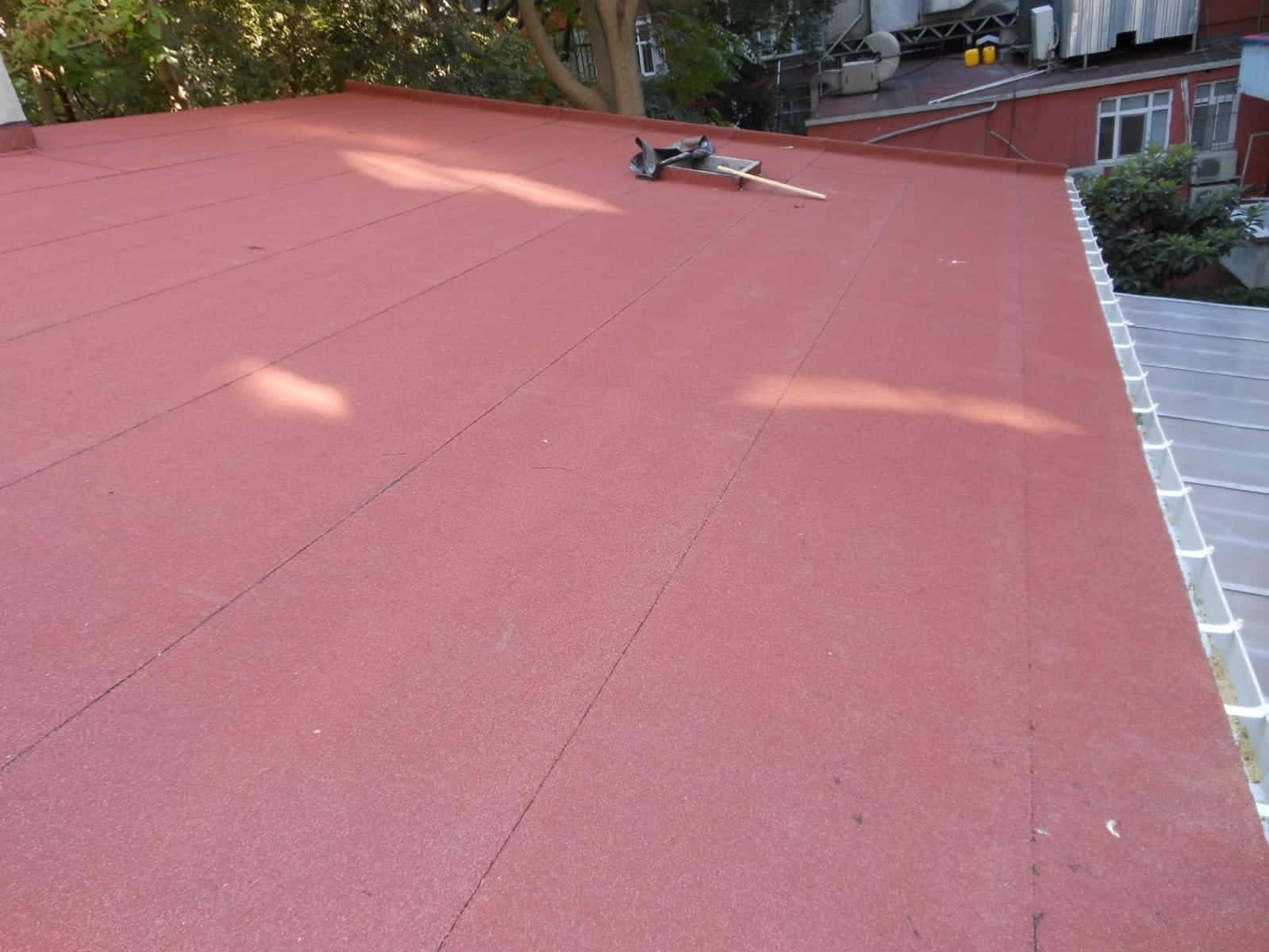
Bituminous membrane is a waterproofing material supplied in rolls, made by coating both sides of a polyester felt or glass fibre carrier with polymer-modified bitumen. The polymer keeps it from cracking in the cold and flowing in the heat.
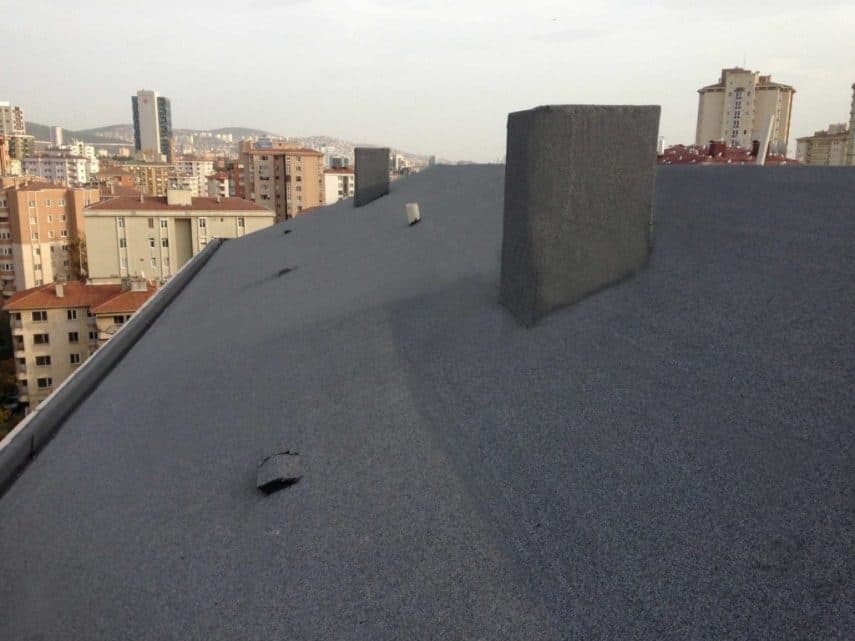
"Membrane roof" usually refers to flat roofs and terraces whose top surface is covered directly with membrane. On pitched roofs, an underlay membrane is laid beneath the tiles or metal sheets as a second line of protection.
How is membrane applied?
Bituminous membrane is torch-applied: its underside is heated with a gas flame and bonded to the surface. Rolls are laid with overlaps of at least 10 cm, and the overlaps are heat-welded to create one continuous waterproof surface.
Surface preparation is the key to a successful job: the substrate must be clean, dry and even, and primed with bitumen primer. Detail points such as parapets, chimneys and drains are reinforced with extra layers.
How many layers are needed?
On flat roofs and terraces we usually recommend two layers: a smooth membrane below and a UV-protected, mineral-surfaced membrane on top. On terraces that will be walked on, the membrane is covered with screed, tiles or protection boards.
Application steps
- 1Checking the substrate and adding a fall or repair screed if needed
- 2Cleaning the surface and applying bitumen primer
- 3Reinforcing detail points such as corners, parapets and drains
- 4Torch-bonding the first layer
- 5Laying the mineral-surfaced second layer with staggered joints
- 6Checking with a flood test
Benefits
- A continuous waterproof surface with no joints
- Flexible — does not crack in cold or flow in heat
- Suitable for flat roofs, terraces, balconies and foundations
- UV resistance with a mineral-surfaced top layer
- Years of protection when applied correctly
When do you need it?
- Water pools on your flat roof or terrace and leaks below
- The old membrane has blisters, cracks or open overlaps
- You are building a new terrace or flat roof
- An underlay is needed as part of a tile or metal roof renewal
Frequently asked questions
How long does a membrane last?
It depends on the membrane quality, the number of layers, the workmanship and whether it is protected on top. A correctly applied two-layer, protected system gives many years of trouble-free service, and regular checks extend its life.
Can membrane be applied in the rain?
No. The surface must be dry for the membrane to bond fully, so we apply it in dry weather above 5°C. Temporary measures can be taken in emergencies.
Can a new membrane be laid over the old one?
If the old membrane is firmly bonded and has no large blisters, a new layer can be applied over it with proper preparation. Blistered, water-logged or multi-layered old insulation is better removed. We determine this on-site during the inspection.